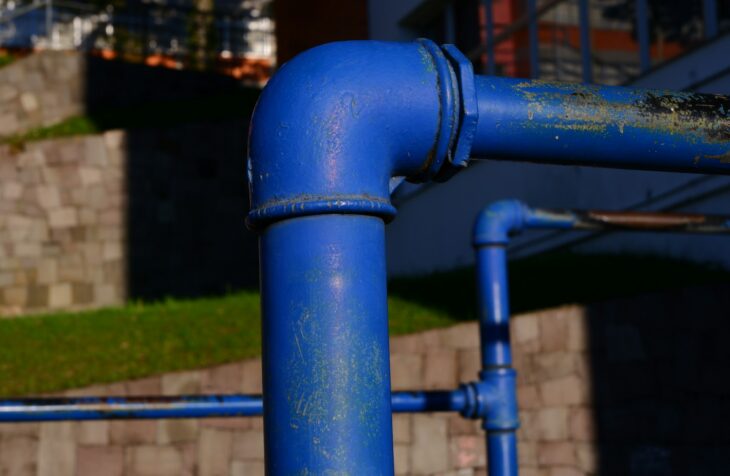
Why Homeowners Are Choosing Pipe Relining Over Pipe Replacement
Dealing with damaged pipes is one of those home maintenance issues nobody really looks forward to. For years, the default solution was to dig everything up and replace the pipes entirely. But lately, more homeowners are discovering there’s a smarter, less disruptive option available. Pipe relining is changing the game by fixing pipes from the inside, saving time, mess, and often a lot of stress. The cost of pipe relining can be a worthwhile investment, especially when compared to the expense of traditional excavation and pipe replacement. Understanding what influences the price and the long-term benefits of this modern repair method can help homeowners make an informed decision when plumbing problems arise.
Why Pipe Problems Are Becoming More Common
Homes today are dealing with aging infrastructure more than ever. Many properties still rely on old clay or cast-iron pipes that weren’t designed to last forever. Add in shifting soil, tree root intrusion, and general wear and tear, and it’s no surprise pipe issues are on the rise. Instead of waiting for a full collapse, homeowners are now exploring preventative solutions that don’t involve tearing up their entire yard or flooring.
Understanding What Pipe Relining Actually Is
Pipe relining is a trenchless repair method that essentially creates a new pipe inside the existing one. A flexible resin-coated liner is inserted into the damaged pipe and then hardened in place, forming a strong, seamless inner layer. This means there’s no need to excavate long trenches or remove landscaping, which makes it especially appealing for urban homes or properties with limited access points. It’s efficient, modern, and surprisingly long-lasting.
The Real Cost Considerations of Pipe Relining
When comparing repair methods, many homeowners initially focus on digging and full replacement. However, the decision often shifts once they understand the broader picture, including the cost of pipe relining in relation to excavation, restoration work, and long-term maintenance. While the upfront price can sometimes look similar or slightly higher than traditional methods, the reduced need for landscaping repairs, floor restoration, and labor-intensive digging often makes it more economical overall. It’s one of those cases where the total project cost—not just the repair itself—really matters.
Less Disruption Compared to Traditional Replacement
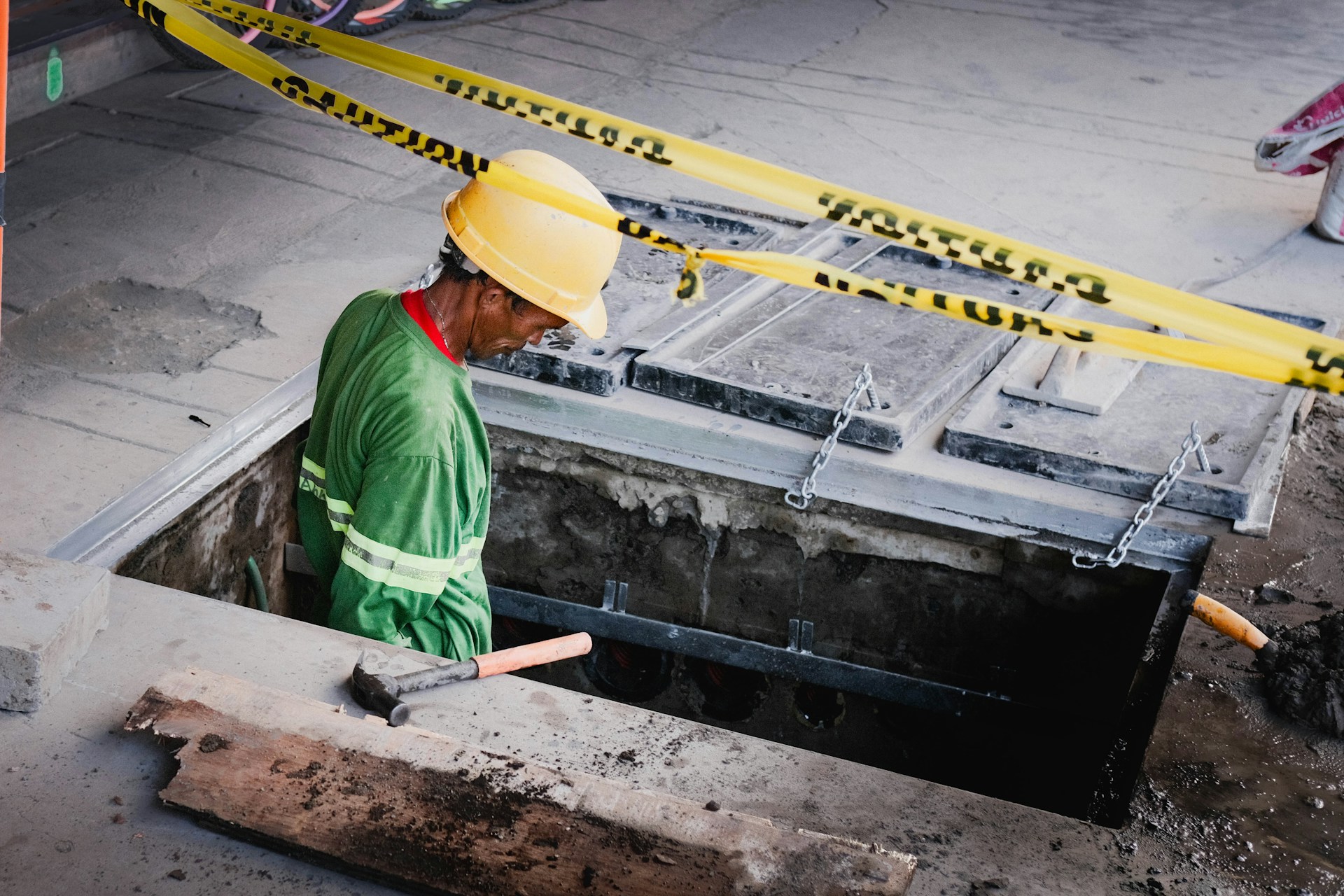
One of the biggest advantages of pipe relining is how little it disrupts daily life. Traditional pipe replacement can involve digging up driveways, breaking through walls, or tearing apart gardens. Relining avoids most of that chaos. In many cases, homeowners can stay in their property while the work is being done, with minimal interruption to water usage. That convenience alone is a major reason people are switching methods, especially in busy households where downtime is a problem.
Durability and Long-Term Performance
Another major reason homeowners are choosing relining is its impressive lifespan. Once installed, the new lining can last for decades and is resistant to corrosion, leaks, and tree root intrusion. Unlike older materials that degrade over time, the resin lining forms a smooth, durable interior that improves water flow and reduces the chances of future blockages. It’s not just a quick fix—it’s designed to hold up for the long term.
Why Homeowners Are Making the Switch
At the end of the day, most homeowners want a solution that is reliable, efficient, and doesn’t turn their property into a construction site. Pipe relining checks all those boxes. It offers a balance of practicality and performance that traditional pipe replacement often struggles to match. As awareness grows, more people are choosing the less invasive route and prioritizing long-term value over short-term disruption.
Pipe issues aren’t going away, but the way we fix them has clearly evolved. With less mess, strong durability, and reduced disruption, pipe relining is quickly becoming the go-to solution for modern homes. For homeowners weighing their options, it’s less about whether to fix the pipes and more about choosing the smarter way to do it.

