man
Home

AC Problems That Can Get Worse If You Ignore Them

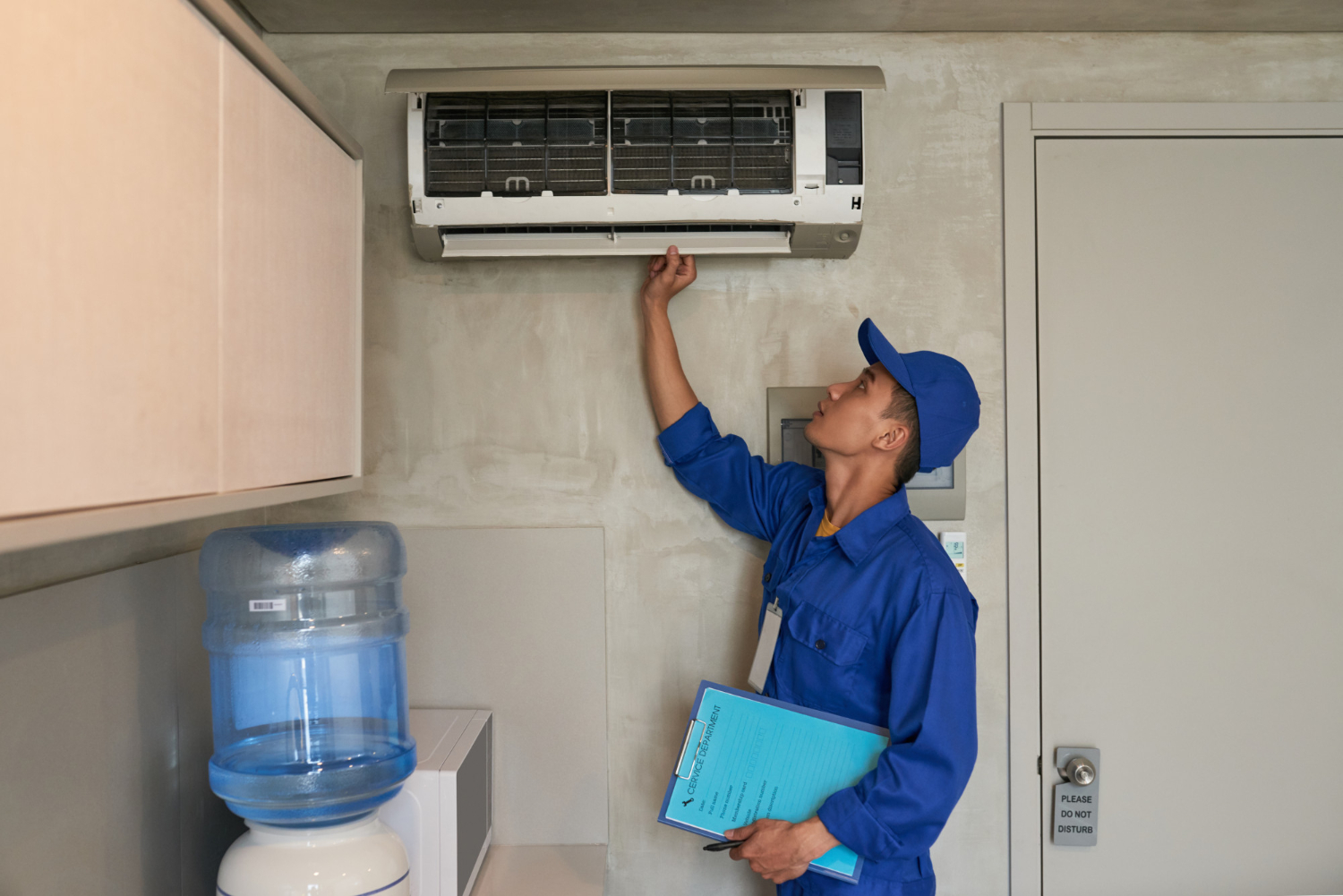
Your AC can go from “just a little weird” to “why is my living room a sauna?” surprisingly fast. Calling Premier Comfort’s ac repair service at the right moment can prevent a small fault from becoming a much bigger headache. Some warning signs are obvious, while others hide behind weak airflow or strange sounds. Ignore them long enough, and your comfort, energy bill, and repair budget can all take a hit.

room

Weak Airflow and Warm Rooms

Weak airflow is one of those problems people love to dismiss. Maybe the vents feel less powerful, but the house still gets somewhat cool, so everything seems fine. The trouble is that restricted airflow can force the system to work harder for longer periods. That extra strain can affect other components and make cooling less effective. Warm rooms can point to several issues. A dirty filter, blocked duct, failing blower, or refrigerant problem could be involved. If one bedroom feels like summer while the rest of the house feels comfortable, pay attention. Your AC is giving you a clue, not playing favorites.

Strange Sounds and Odd Smells

An AC should make some noise, but grinding, banging, squealing, or rattling deserves attention. These sounds can indicate loose parts, worn components, or mechanical trouble. Letting the system keep running can allow a minor issue to damage other parts. That innocent little rattle can become an expensive percussion concert. Odd smells deserve the same treatment. Musty odors can point to moisture or mold growth inside parts of the system. Burning smells can indicate an electrical concern that needs prompt attention. Do not grab an air freshener and hope for the best when your AC starts smelling suspicious.

Water Leaks and Ice Buildup

Water around an indoor unit is another warning sign worth taking seriously. A clogged condensate drain, frozen coil, or drainage problem can cause moisture to collect where it should not. Continued leaking can damage ceilings, walls, flooring, or nearby materials. Suddenly, an AC problem has invited itself into the home renovation budget. Ice on the evaporator coil can also look bizarre. You might think the system is simply working extremely hard, but ice often points to an underlying airflow or refrigerant issue. Running the unit continuously can make the situation worse. If you spot frost or ice, shut the system down and arrange an inspection.

man

Rising Bills and Constant Cycling

An unexpected jump in energy costs can be another warning sign. If your household habits have stayed roughly the same but the AC is consuming more electricity, something may be reducing its efficiency. Dirty components, airflow restrictions, refrigerant trouble, or aging parts can all contribute. Your utility bill may be telling you something your thermostat cannot. Frequent cycling is another problem to watch. An AC that repeatedly starts and stops may struggle to maintain the temperature properly. That constant switching can place extra stress on the compressor and other components. It can also leave rooms uncomfortable while your electricity meter keeps moving.

Small Problems Can Become Expensive Ones

The seventh problem is perhaps the easiest to recognize: ignoring the warning signs entirely. AC systems contain several connected components, so one faulty part can create extra strain elsewhere. A small issue today can therefore become a larger repair tomorrow. Waiting for a complete breakdown is rarely a fun strategy, especially during a hot afternoon. Pay attention to changes in sound, airflow, smell, temperature, moisture, and energy use. You do not need to diagnose the system yourself. A qualified technician can inspect the equipment and identify the cause before further damage develops. A little attention now can help keep your home cool and your repair bill from becoming the main event.…

pipe
Home

Why Homeowners Are Choosing Pipe Relining Over Pipe Replacement

Dealing with damaged pipes is one of those home maintenance issues nobody really looks forward to. For years, the default solution was to dig everything up and replace the pipes entirely. But lately, more homeowners are discovering there’s a smarter, less disruptive option available. Pipe relining is changing the game by fixing pipes from the inside, saving time, mess, and often a lot of stress. The cost of pipe relining can be a worthwhile investment, especially when compared to the expense of traditional excavation and pipe replacement. Understanding what influences the price and the long-term benefits of this modern repair method can help homeowners make an informed decision when plumbing problems arise.

Why Pipe Problems Are Becoming More Common

Homes today are dealing with aging infrastructure more than ever. Many properties still rely on old clay or cast-iron pipes that weren’t designed to last forever. Add in shifting soil, tree root intrusion, and general wear and tear, and it’s no surprise pipe issues are on the rise. Instead of waiting for a full collapse, homeowners are now exploring preventative solutions that don’t involve tearing up their entire yard or flooring.

Understanding What Pipe Relining Actually Is

Pipe relining is a trenchless repair method that essentially creates a new pipe inside the existing one. A flexible resin-coated liner is inserted into the damaged pipe and then hardened in place, forming a strong, seamless inner layer. This means there’s no need to excavate long trenches or remove landscaping, which makes it especially appealing for urban homes or properties with limited access points. It’s efficient, modern, and surprisingly long-lasting.

The Real Cost Considerations of Pipe Relining

When comparing repair methods, many homeowners initially focus on digging and full replacement. However, the decision often shifts once they understand the broader picture, including the cost of pipe relining in relation to excavation, restoration work, and long-term maintenance. While the upfront price can sometimes look similar or slightly higher than traditional methods, the reduced need for landscaping repairs, floor restoration, and labor-intensive digging often makes it more economical overall. It’s one of those cases where the total project cost—not just the repair itself—really matters.

worker

Less Disruption Compared to Traditional Replacement

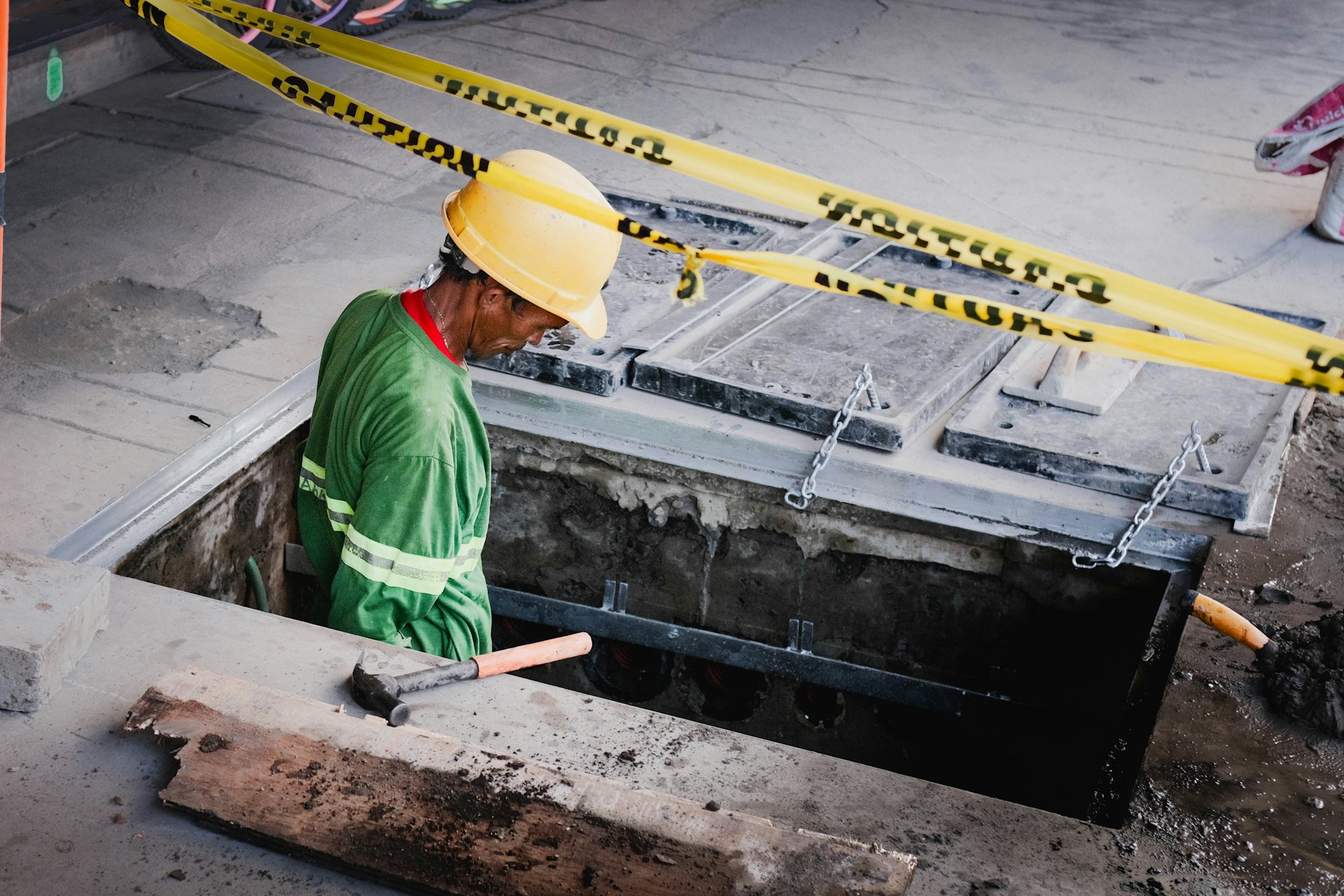
One of the biggest advantages of pipe relining is how little it disrupts daily life. Traditional pipe replacement can involve digging up driveways, breaking through walls, or tearing apart gardens. Relining avoids most of that chaos. In many cases, homeowners can stay in their property while the work is being done, with minimal interruption to water usage. That convenience alone is a major reason people are switching methods, especially in busy households where downtime is a problem.

Durability and Long-Term Performance

Another major reason homeowners are choosing relining is its impressive lifespan. Once installed, the new lining can last for decades and is resistant to corrosion, leaks, and tree root intrusion. Unlike older materials that degrade over time, the resin lining forms a smooth, durable interior that improves water flow and reduces the chances of future blockages. It’s not just a quick fix—it’s designed to hold up for the long term.

Why Homeowners Are Making the Switch

At the end of the day, most homeowners want a solution that is reliable, efficient, and doesn’t turn their property into a construction site. Pipe relining checks all those boxes. It offers a balance of practicality and performance that traditional pipe replacement often struggles to match. As awareness grows, more people are choosing the less invasive route and prioritizing long-term value over short-term disruption.

Pipe issues aren’t going away, but the way we fix them has clearly evolved. With less mess, strong durability, and reduced disruption, pipe relining is quickly becoming the go-to solution for modern homes. For homeowners weighing their options, it’s less about whether to fix the pipes and more about choosing the smarter way to do it.…