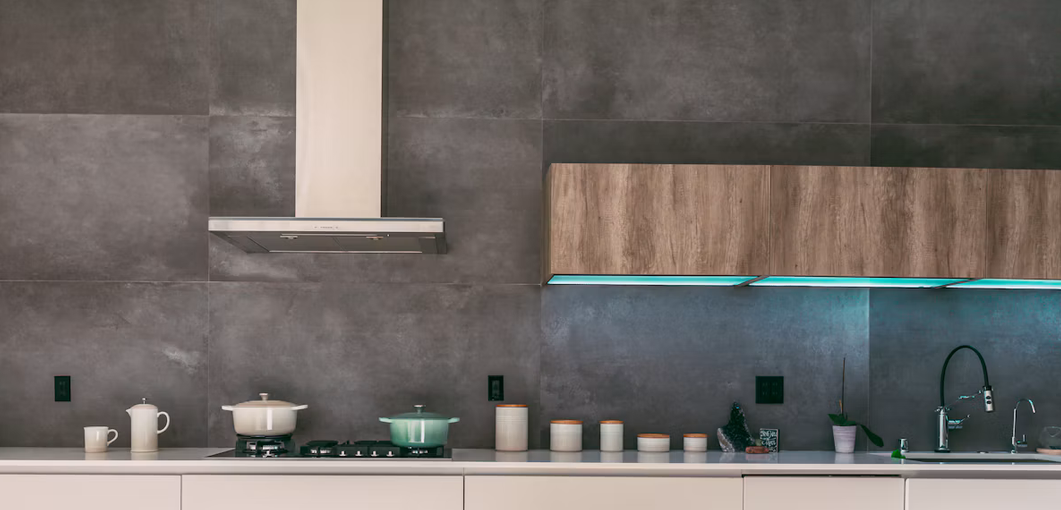
How Kitchen Exhaust Fans Can Influence Residential Ventilation
Kitchen exhaust fans do more than remove cooking smells and airborne grease; they can also affect how air moves throughout a home. By expelling indoor air outdoors, these fans create pressure differences that may draw replacement air through windows, doors, vents, or unintended gaps in the building envelope. In tightly sealed homes, this can influence the performance of other ventilation and heating systems. Furnace repair services by ATX Heating & Air Conditioning can be relevant to the wider discussion of maintaining balanced airflow and reliable indoor comfort. Understanding how kitchen exhaust fans interact with the rest of a house helps explain why ventilation should be considered as a connected system rather than a collection of independent appliances.
Why Exhaust Fans Change Indoor Air Pressure
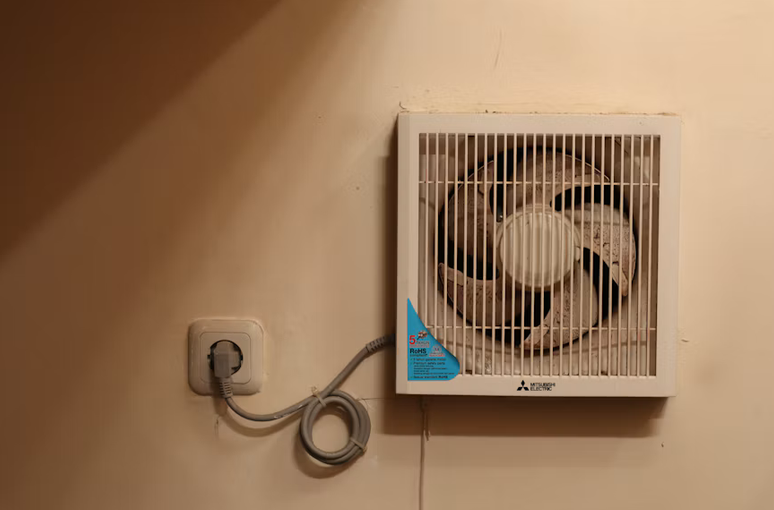
When a kitchen exhaust fan runs, it removes air from the building and can create negative indoor pressure. The resulting pressure difference draws replacement air through available openings, including windows, doors, ventilation grilles, and small gaps in the building envelope. In a relatively airtight home, this replacement air may be insufficient, reducing the fan’s performance and potentially creating noticeable drafts. The pressure effect also depends on whether other extraction systems are operating simultaneously. Bathroom fans, clothes dryers, and other exhaust equipment can increase the total amount of air being removed. Consequently, you can’t always assess kitchen ventilation in isolation because its operation affects air movement throughout the residence.
How Replacement Air Supports Effective Ventilation
Replacement air is essential because an exhaust fan cannot continuously remove air without an equivalent amount entering the building. With sufficient replacement air, the system can maintain its intended airflow more effectively. Without it, pressure differences may become stronger, and the fan may move less air than expected. Replacement air can enter naturally through openings or be supplied through a dedicated ventilation system, depending on the building’s design. Its source also matters because outdoor air may contain dust, vehicle emissions, or other pollutants. In cooler climates, replacement air can affect indoor temperatures, while in humid environments it may introduce additional moisture. These factors influence how kitchen extraction interacts with the home’s overall ventilation strategy.
How Kitchen Exhaust Affects Other Household Systems

Kitchen exhaust fans can influence heating and cooling performance by removing conditioned indoor air. When operating, heated or cooled air leaves the building and must be replaced, which can increase the workload of heating and cooling equipment. Pressure changes can also affect combustion appliances that rely on indoor air or use natural draft systems. Under certain conditions, strong exhaust ventilation can contribute to backdrafting, allowing combustion gases to enter living spaces. This risk depends on the appliance, the building’s pressure conditions, and the available replacement air. Proper system design considers these interactions to reduce safety risks and maintain effective ventilation without unnecessarily increasing energy consumption.
Kitchen exhaust fans improve residential ventilation by removing cooking pollutants, but they also influence indoor pressure, replacement airflow, and heating and cooling performance. Their effectiveness depends on how well the extraction system works with the building’s other ventilation and air supply arrangements.
…

